Get Industrial Fence Installation
Local contractors offer industrial fence installation services to secure properties, define boundaries, and support projects like warehouses, factories, or construction sites.
Industrial fence installation is a practical solution for property owners seeking to enhance security, define boundaries, or improve privacy on their commercial or industrial sites. Whether for safeguarding equipment, controlling access, or establishing clear property lines, installing a durable fence can address a variety of operational needs. Exploring local options allows property owners to compare different service providers, ensuring the selection of experienced contractors who understand the specific requirements of industrial properties in the area.
By planning a fencing project carefully, property owners can identify the most suitable materials, styles, and features to meet their goals. Consulting with local contractors provides valuable insights into available options and helps ensure the installation aligns with local regulations and site conditions. Continuing to explore and compare local service providers can lead to finding experienced professionals capable of delivering a reliable, high-quality fence tailored to the needs of the property.
- Industrial Fence Installation - needed when securing large commercial or manufacturing facilities.
- Perimeter Security Fencing - required to protect property boundaries from unauthorized access.
- Warehouse Enclosure Fencing - essential for creating secure storage areas and preventing theft.
- Construction Site Fencing - necessary for safety and security during building projects.
- Agricultural Fence Installation - used to contain livestock or delineate farm boundaries.
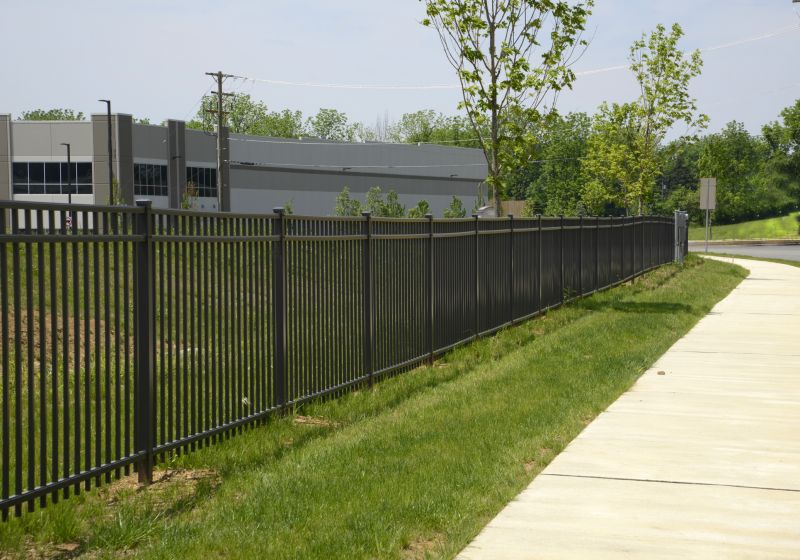
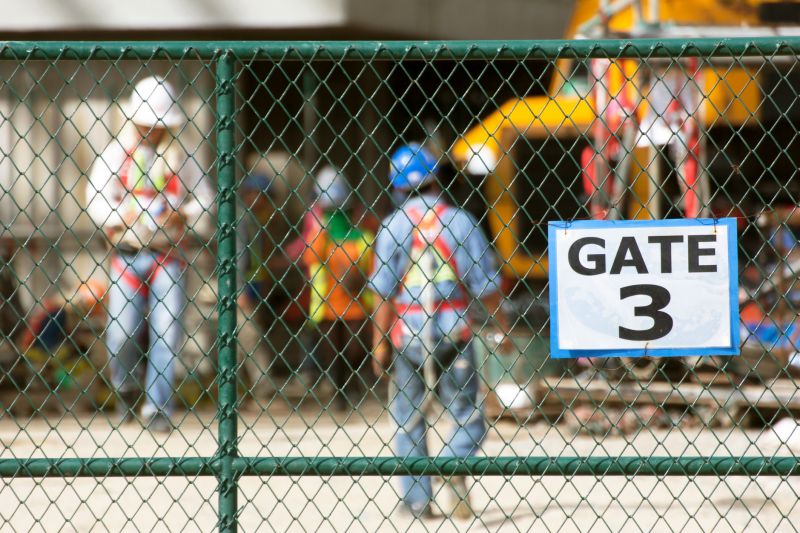
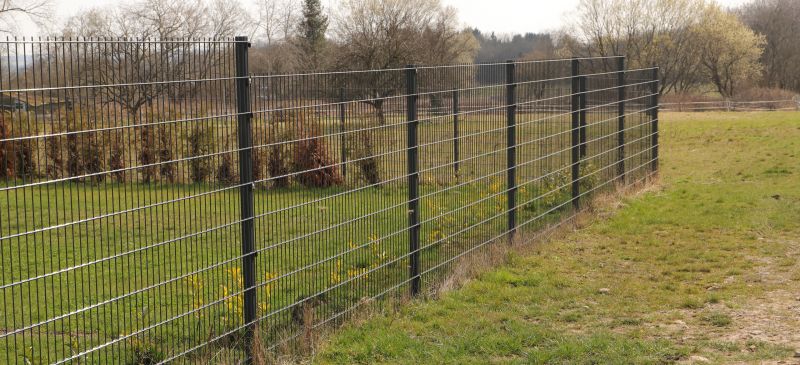
Industrial fence installation services involve the setup of durable fencing solutions designed to secure and define large or specialized properties. These services typically include site assessment, material selection, custom design, and professional installation to ensure the fence meets the specific security, safety, or boundary needs of the property. Contractors work with a range of fencing materials such as chain link, welded wire, barbed wire, or metal panels, tailoring each installation to the property’s purpose and environment. The goal is to provide a robust barrier that withstands daily wear and tear while maintaining the property’s integrity and security.
This type of fencing helps address common problems faced by property owners, such as unauthorized access, theft, or vandalism. It also helps contain equipment, livestock, or other assets, preventing accidental or intentional intrusion. Industrial fences can serve as a visual deterrent, signaling that a property is protected and off-limits to unauthorized individuals. Additionally, fences can help meet regulatory or safety requirements for certain industries, ensuring compliance with local codes and standards. By installing a sturdy fence, property owners can enhance security and reduce the risk of damage or loss.
Properties that typically utilize industrial fencing include warehouses, manufacturing plants, construction sites, storage facilities, and large commercial properties. These fences are also common around utility sites, transportation hubs, and agricultural operations. Any property that requires a high level of security, privacy, or boundary definition may benefit from professional fence installation. Homeowners with large estates or properties that need perimeter security might also consider these services, especially if they want a long-lasting barrier that can handle demanding conditions.
Hiring experienced local contractors for industrial fence installation ensures the work is completed with precision and adherence to safety standards. These service providers bring expertise in handling different materials and site conditions, helping to ensure the fence is installed correctly and efficiently. Whether securing a commercial property, safeguarding equipment, or defining property lines, professional installation can provide peace of mind that the fence will perform as intended. Contacting local pros can help find the right fencing solution tailored to the specific needs of any property.
The overview below groups typical Industrial Fence Installation projects into broad ranges so you can see how smaller, mid-sized, and larger jobs often compare in your area.
In many markets, a large share of routine jobs stays in the lower and middle ranges, while only a smaller percentage of projects moves into the highest bands when the work is more complex or site conditions are harder than average.
Smaller Repairs - Typical costs for minor fence repairs or short sections usually range from $250 to $600. Many routine jobs fall within this middle range, depending on the materials and extent of work needed. Fewer projects tend to reach the higher end of this spectrum.
Standard Fence Installation - Installing a new fence of moderate length generally costs between $1,500 and $4,000. Local contractors often handle these projects within this range, with variations based on material choices and property size. Larger or more complex installations can exceed this range.
Full Fence Replacement - Replacing an entire existing fence typically costs from $3,000 to $8,000. Many full replacements fall into this higher tier, especially for larger properties or premium materials. Complex landscapes or custom designs may push costs beyond this range.
Industrial or Commercial Projects - Large-scale industrial fencing can range from $10,000 to $50,000 or more, depending on length, security features, and materials. These projects are less common and often involve specialized requirements, which can significantly influence the final cost.
Actual totals will depend on details like access to the work area, the scope of the project, and the materials selected, so use these as general starting points rather than exact figures.
Perimeter Security Fencing - local contractors can install fencing around commercial properties, sports fields, or private estates, requiring similar planning and installation skills as industrial fence projects.
Warehouse Enclosure Fencing - professionals who handle industrial fencing can also set up secure enclosures for warehouses and storage facilities, utilizing comparable tools and techniques.
Construction Site Barriers - setting up temporary or permanent barriers at construction sites involves planning and fencing skills akin to those used in industrial fence installation.
Agricultural Fencing - installing fences for farms or ranches shares similar material handling and installation methods as industrial fencing projects.
Security Gate Installation - local service providers experienced in fencing often also install security gates, requiring similar planning, tools, and structural considerations.
Industrial Partition Walls - building partition walls within warehouses or factories involves planning and construction skills comparable to fencing installation services.
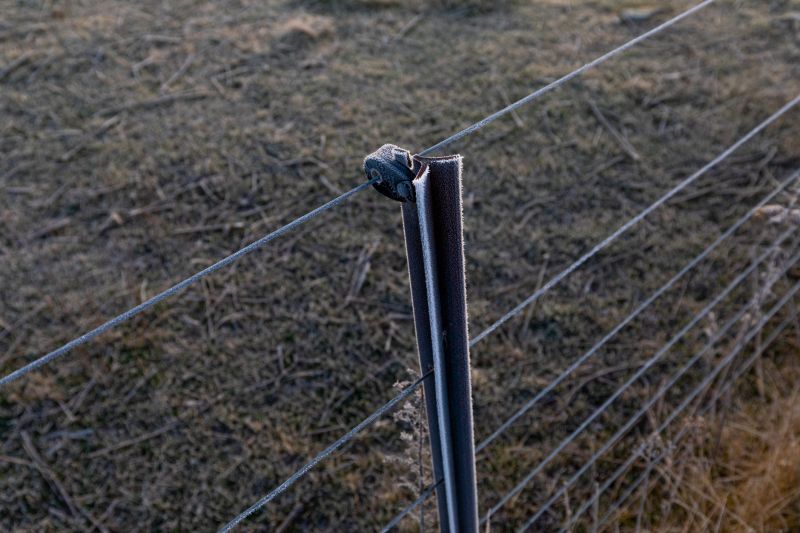
When selecting a contractor for industrial fence installation, it’s important to consider their experience with similar projects. Homeowners should look for service providers who have a proven track record of completing fences comparable in size, material, and purpose. An experienced contractor is more likely to understand the specific requirements of industrial fencing, such as security features or durability standards, ensuring the project is handled efficiently and effectively.
Clear written expectations are essential for a successful project. Homeowners should seek out local contractors who provide detailed proposals that outline the scope of work, materials to be used, and any other relevant details. Having these expectations documented helps prevent misunderstandings and ensures that both parties are aligned on the project’s goals, timelines, and responsibilities from the outset.
Reputable references and good communication are key indicators of a dependable service provider. Homeowners can ask for references from previous clients to gain insight into the contractor’s work quality and professionalism. Additionally, a contractor who maintains open and responsive communication can help address questions or concerns promptly, contributing to a smoother project experience. It’s important to remember that these local pros are independent service providers, and the website serves as a resource to connect homeowners with qualified options-not as the entity performing the work itself.
Property owners use Industrial Fence Installation services for practical projects around their homes and businesses. This guide focuses on everyday jobs and straightforward project options.
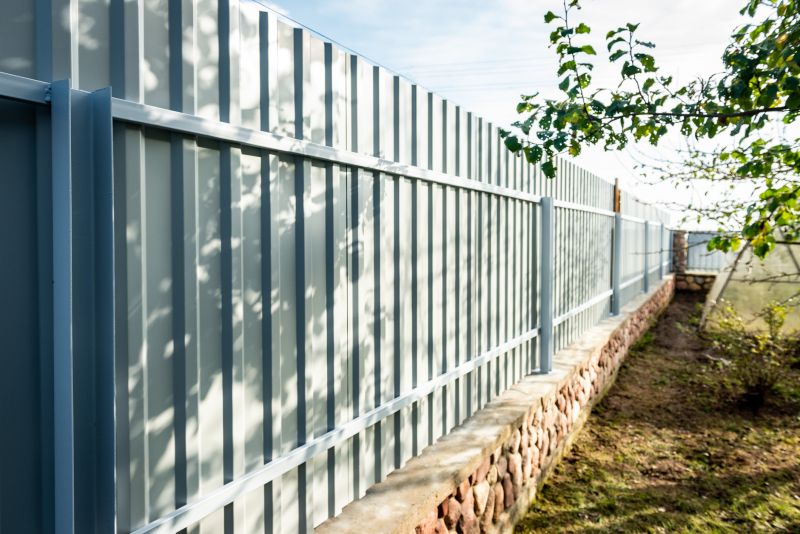
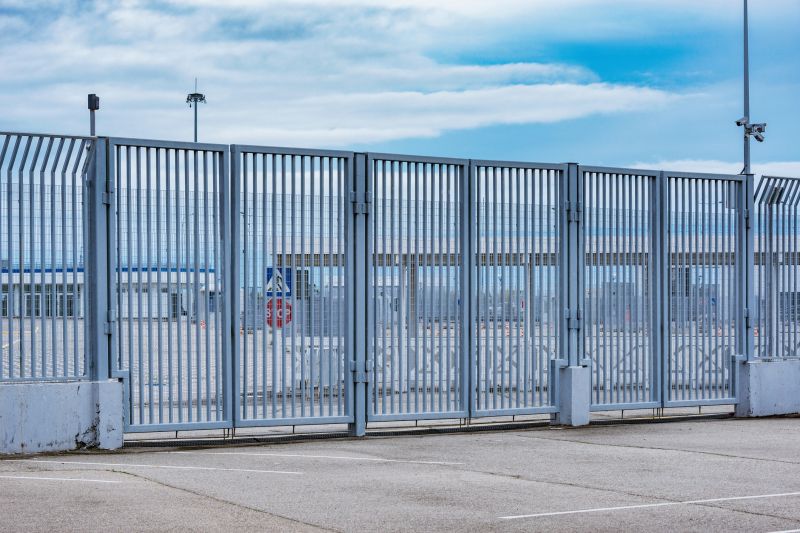
Industrial fence installation is a common project for property owners looking to secure their commercial or industrial sites. Whether it's for safeguarding equipment, creating clear boundaries, or controlling access to a facility, many local property owners seek the expertise of nearby contractors to handle these installations efficiently and effectively. These projects often involve choosing the right type of fencing material and ensuring proper setup to meet security needs and local regulations.
Property owners may also look for industrial fencing services when upgrading existing fences or replacing outdated barriers. In addition, businesses and industrial sites might require fencing to enhance safety, prevent unauthorized entry, or improve overall site management. Local contractors who specialize in fence installation can provide the necessary experience to handle these everyday project situations, helping property owners achieve their security and boundary goals.
What types of industrial fences are available for installation? Local contractors typically offer a variety of industrial fencing options, including chain-link, steel panel, and barbed wire fences, to suit different security and property needs.
How do I determine the best fencing material for my industrial property? Consulting with local service providers can help assess your property's requirements and recommend suitable fencing materials based on durability, security, and environmental conditions.
Are there any safety considerations when installing an industrial fence? Professional contractors follow industry standards to ensure fences are installed securely and safely, reducing hazards and ensuring compliance with regulations.
What are common applications for industrial fencing? Industrial fences are often used for perimeter security, restricting access, protecting equipment, and defining property boundaries in commercial and industrial settings.
How can I ensure the fence installation will meet my specific needs? Discussing your requirements with experienced local service providers can help ensure the fencing solution is tailored to your security, access, and maintenance preferences.
Perimeter Security - Property owners can install fences around yards or industrial sites to create a clear boundary and prevent unauthorized access.
Privacy Enclosures - Installing fences can help establish private outdoor spaces for residential or commercial properties.
Safety Barriers - Fences can be used to keep children or pets safely contained within a yard or play area.
Property Demarcation - Fences help define property lines clearly, reducing disputes with neighbors and marking ownership boundaries.
If you are thinking about Industrial Fence Installation for a property, this guide is meant to help you understand the work, the typical project types, and how different options might fit your plans.
When you are ready, you can use the quote form on this page to share a few details about your project. From there, local pros can review the basics and respond with options that match what you have in mind.