Rotten Column Replacement in Redmond, WA
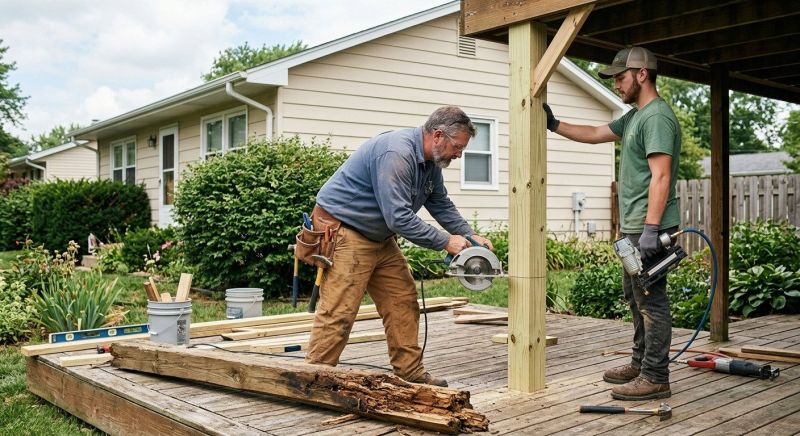
Rotten column replacement services involve removing and replacing damaged or deteriorated support columns that are essential for the stability of a building or structure. This service is commonly requested for projects such as basement repairs, foundation stabilization, or structural upgrades where compromised columns may threaten the safety or integrity of the property. Homeowners typically want to understand the extent of damage, the materials used for replacement, and how the new columns will support the existing structure to ensure long-term stability.
Before requesting rotten column replacement, property owners often seek information about the signs of deterioration, such as visible rot, cracks, or sagging. It’s important to assess whether the columns are load-bearing and how their failure could impact the overall structure. Clarifying the process involved, including excavation, removal of the old columns, and installation of new supports, can help homeowners make informed decisions about the scope and implications of the project.
Many property owners in Redmond, WA look into Rotten Column Replacement for repairs, replacements, upgrades, and appearance-related improvements.
Signs Of Rotten Columns
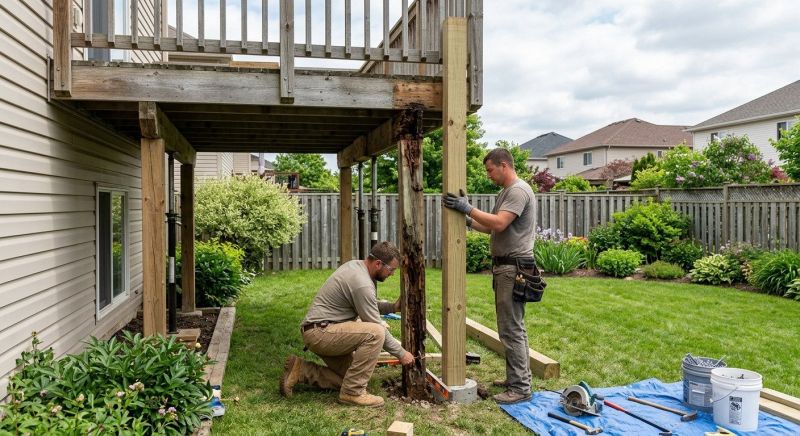
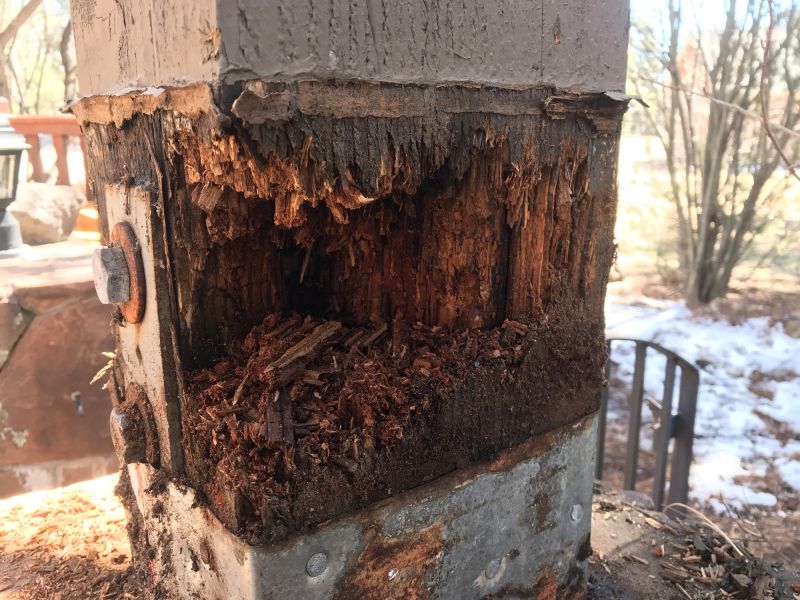
Deterioration or decay in support columns can compromise structural integrity.
Benefits Of Replacement
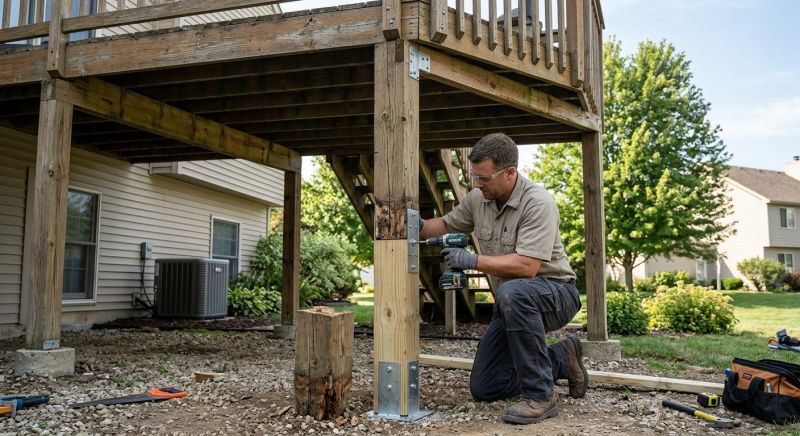
Replacing damaged columns helps ensure safety and restores aesthetic appeal.
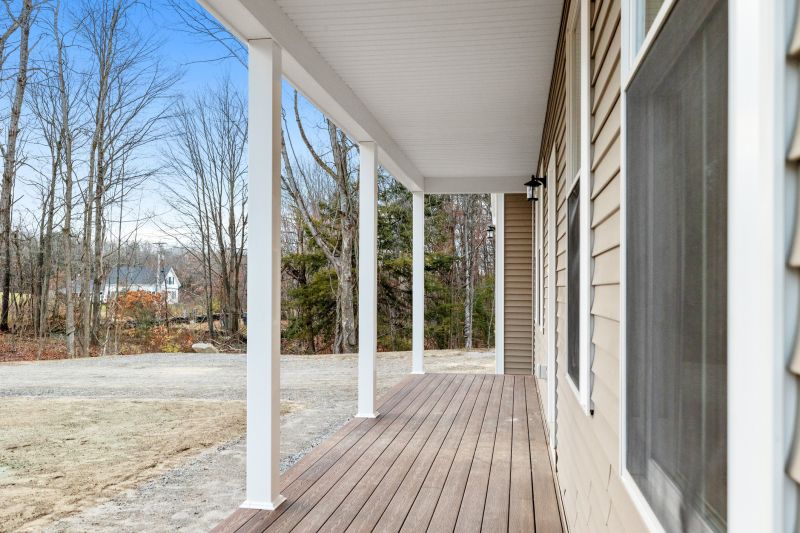
Common Replacement Materials
Wood, steel, and composite options are often used to replace rotten support columns.
Rotten Column Replacement in Redmond, WA

Rotten column replacement services involve removing and replacing damaged or deteriorated support columns that are essential for the stability of a building or structure. This service is commonly requested for projects such as basement repairs, foundation stabilization, or structural upgrades where compromised columns may threaten the safety or integrity of the property. Homeowners typically want to understand the extent of damage, the materials used for replacement, and how the new columns will support the existing structure to ensure long-term stability.
Before requesting rotten column replacement, property owners often seek information about the signs of deterioration, such as visible rot, cracks, or sagging. It’s important to assess whether the columns are load-bearing and how their failure could impact the overall structure. Clarifying the process involved, including excavation, removal of the old columns, and installation of new supports, can help homeowners make informed decisions about the scope and implications of the project.
Many property owners in Redmond, WA look into Rotten Column Replacement for repairs, replacements, upgrades, and appearance-related improvements.
Common Rotten Column Replacement Jobs
Rotten Column Replacement - involves removing and replacing damaged or decayed support columns.
Wood Column Replacement - addresses wood columns affected by rot, pests, or structural issues.
Concrete Column Replacement - restores stability by replacing deteriorated or cracked concrete supports.
Steel Column Replacement - offers durable support options for columns compromised by corrosion or damage.
Post and Beam Replacement - involves updating aging or compromised posts to maintain structural integrity.
Exterior Column Replacement - enhances curb appeal by replacing worn or damaged columns on porches or entryways.
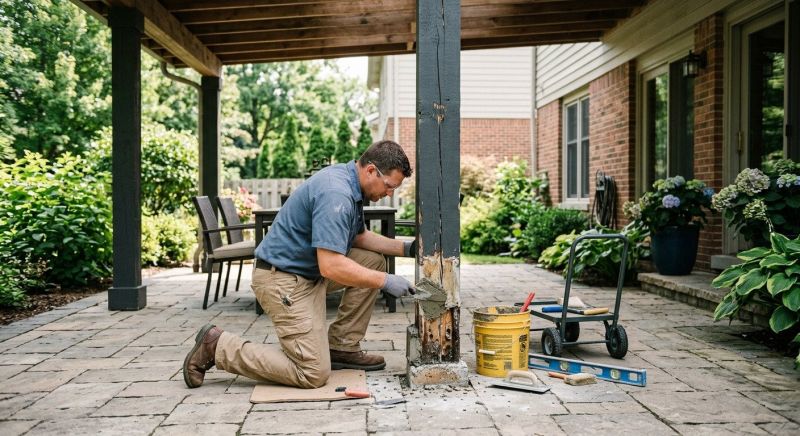
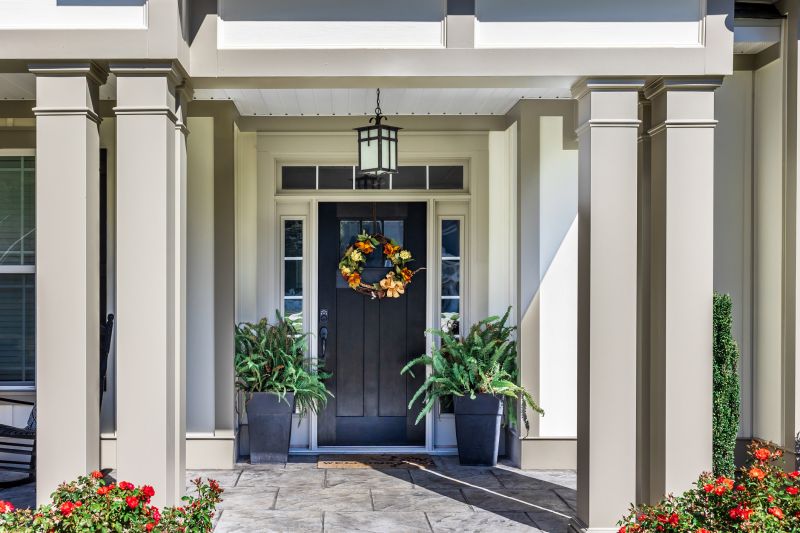
Rotten Column Replacement Questions
What causes a column to rot? Moisture intrusion and prolonged exposure to water can lead to wood decay in columns.
How can I tell if a column needs replacement? Signs include visible rot, cracking, or deterioration in the column material.
Is replacement necessary if a column is partially damaged? Yes, replacing the entire column ensures structural stability and safety.
What materials are used for rotten column replacement? Common options include treated wood, composite materials, or metal, depending on project needs.
Request Rotten Column Replacement in Redmond, WA
Use the quote form on this page to share the basics of your project and request more information for the type of work you need.